


 Español
 Deutsch
 日本語
日本語 한국어
한국어
Camera housing industrial
Industrial Camera Housing: Design and Applications Industrial camera housings are critical components designed to protect sensitive imaging equipment from harsh environmental conditions, ensuring reliable performance in demanding industrial settings. These housings are engineered to withstand extreme temperatures, dust, moisture, vibrations, and mechanical impacts while maintaining optimal functionality for machine vision, automation, and inspection applications. Key Features of Industrial Camera Housings 1. Robust Construction: Industrial camera housings are typically constructed from durable materials such as aluminum alloys, stainless steel, or high-grade plastics. Aluminum housings offer excellent heat dissipation and corrosion resistance, while stainless steel variants provide superior strength in corrosive or high-impact environments. 2. Environmental Protection: Many housings are rated according to IP (Ingress Protection) standards, ensuring resistance to dust (IP6X) and water (IP67 or IP69K for high-pressure washdowns). Some models also include NEMA-rated enclosures for additional protection against harsh industrial conditions. 3. Thermal Management: Advanced housings incorporate cooling mechanisms such as heat sinks, fans, or Peltier cooling systems to regulate internal temperatures, preventing overheating in high-temperature environments. Conversely, heated housings are available for sub-zero conditions to prevent condensation. 4. Modular and Customizable Design: Industrial camera housings often feature modular designs, allowing for easy integration of lenses, filters, and lighting accessories. Customizable mounting options (e.g., brackets, rails, or magnetic bases) ensure compatibility with various industrial setups. 5. EMI/RFI Shielding: To minimize electromagnetic interference (EMI) and radio frequency interference (RFI), some housings include shielding to maintain signal integrity in electrically noisy environments. Applications Industrial camera housings are widely used in: - Factory Automation: Protecting vision systems in robotic assembly lines. - Quality Control: Ensuring precise inspection in food, pharmaceutical, and automotive industries. - Outdoor Surveillance: Withstanding weather extremes in traffic monitoring or security systems. - Medical and Scientific Imaging: Providing sterile and vibration-resistant enclosures for sensitive equipment. Conclusion Industrial camera housings play a vital role in safeguarding imaging systems, enhancing durability, and ensuring consistent performance in challenging industrial environments. Their robust design, environmental resistance, and adaptability make them indispensable in modern automation and inspection processes.
Products
Category:
-
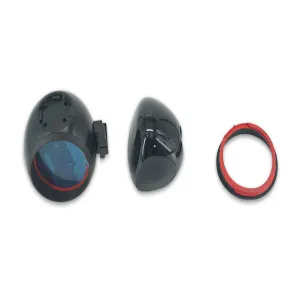
Camera housing
Category: 3C categoryBrowse number: 15Number:Release time: 2025-12-16 15:46:40Camera housing is a protective enclosure designed to safeguard cameras from environmental hazards such as dust, moisture, vibration, and impact. Engineered for durability, it ensures optimal performance and longevity of imaging equipment across various applications, including surveillance, industrial monitoring, and outdoor photography. High-quality camera housings are constructed from robust materials such as aluminum, polycarbonate, or stainless steel, often featuring weatherproof seals, thermal management solutions, and mounting options. Precision manufacturing ensures compatibility with multiple camera models while maintaining structural integrity. Reliable camera housings enhance operational stability, reduce maintenance requirements, and provide versatile installation options in demanding professional environments.
News
Category:
-
[Industry News]Micro Injection Molding Precision Tolerance Control
2026-01-12 08:44:02
Case
Category:
No search results found!
Video
Category:
No search results found!
Download
Category:
No search results found!
Job
Category:
No search results found!
Featured Products
No search results found!



 WhatsApp
 Phone
Phone