


 Español
 Deutsch
 日本語
日本語 한국어
한국어
Camera housing
Camera Housing: A Comprehensive Overview Camera housing is a protective enclosure designed to safeguard cameras from environmental factors, ensuring optimal performance in various conditions. It serves as a critical component for both professional and recreational photography, especially in challenging environments such as underwater, extreme weather, or industrial settings. Materials and Construction Camera housings are typically constructed from durable materials like polycarbonate, aluminum, or high-grade plastics. These materials offer a balance of strength, lightweight properties, and corrosion resistance. Underwater housings, for example, often feature O-ring seals to prevent water ingress, while industrial housings may include reinforced edges to withstand impacts. Key Features 1. Environmental Protection – Housings shield cameras from moisture, dust, sand, and extreme temperatures, making them ideal for outdoor adventures, marine exploration, or harsh worksites. 2. Ergonomic Design – Buttons, dials, and controls are strategically placed to allow full access to camera functions without removing the housing. Some models include touchscreen-compatible ports for modern cameras. 3. Optical Clarity – High-quality housings use optical-grade glass or acrylic for lens ports to minimize distortion and maintain image sharpness. Interchangeable ports accommodate different lens sizes. 4. Buoyancy and Stability – Underwater housings may include buoyancy control features or attachment points for straps and mounts, ensuring stability during use. 5. Modularity – Some housings support additional accessories like external lights, microphones, or handles, enhancing functionality for specialized applications. Applications - Underwater Photography – Enables cameras to function at significant depths while resisting water pressure. - Adventure & Outdoor – Protects against rain, snow, and rough terrain for activities like hiking or mountaineering. - Industrial & Surveillance – Used in factories or construction sites where dust, debris, or vibrations could damage equipment. Maintenance and Care Proper maintenance ensures longevity. Regular inspection of seals, cleaning of ports, and lubrication of O-rings (for waterproof models) are essential. Storage in a dry, temperature-controlled environment prevents material degradation. Conclusion Camera housing is an indispensable accessory for photographers and videographers working in demanding conditions. Its robust construction, user-friendly design, and adaptability make it a vital tool for capturing high-quality images in any environment. Whether for professional use or recreational purposes, a well-designed housing extends a camera’s lifespan while unlocking creative possibilities.
Products
Category:
-
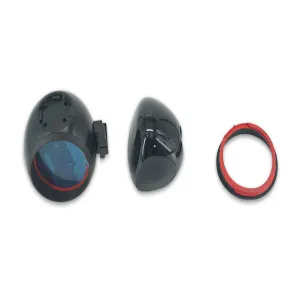
Camera housing
Category: 3C categoryBrowse number: 15Number:Release time: 2025-12-16 15:46:40Camera housing is a protective enclosure designed to safeguard cameras from environmental hazards such as dust, moisture, vibration, and impact. Engineered for durability, it ensures optimal performance and longevity of imaging equipment across various applications, including surveillance, industrial monitoring, and outdoor photography. High-quality camera housings are constructed from robust materials such as aluminum, polycarbonate, or stainless steel, often featuring weatherproof seals, thermal management solutions, and mounting options. Precision manufacturing ensures compatibility with multiple camera models while maintaining structural integrity. Reliable camera housings enhance operational stability, reduce maintenance requirements, and provide versatile installation options in demanding professional environments.
News
Category:
-
[Industry News]Micro Injection Molding Quality Control Methods
2026-01-04 15:11:42
Case
Category:
No search results found!
Video
Category:
No search results found!
Download
Category:
No search results found!
Job
Category:
No search results found!
Featured Products
No search results found!



 WhatsApp
 Phone
Phone