


 Español
 Deutsch
 日本語
日本語 한국어
한국어
Tools equipment accessories
Tools, Equipment, and Accessories: A Comprehensive Overview Tools, equipment, and accessories are essential components across various industries, from construction and manufacturing to automotive repair and home improvement. These items enhance efficiency, precision, and safety in completing tasks. Below is a detailed breakdown of their categories, uses, and significance. 1. Hand Tools Hand tools are manually operated devices used for cutting, shaping, fastening, or measuring. Common examples include: - Wrenches & Screwdrivers – Adjust or tighten bolts and screws. - Hammers & Mallets – Drive nails or shape materials. - Pliers & Cutters – Grip, bend, or cut wires and small objects. - Measuring Tools (Tape Measures, Calipers) – Ensure accuracy in dimensions. These tools are fundamental in woodworking, plumbing, and electrical work due to their portability and simplicity. 2. Power Tools Power tools use electricity, batteries, or compressed air to perform tasks more efficiently than hand tools. Key examples: - Drills & Impact Drivers – Create holes or drive screws quickly. - Sanders & Grinders – Smooth or polish surfaces. - Saws (Circular, Jigsaw, Reciprocating) – Cut wood, metal, or plastic. - Nail Guns & Staplers – Fasten materials rapidly. They are indispensable in construction, carpentry, and metalworking, reducing manual effort and time. 3. Heavy Equipment Large machinery is used in industrial and construction settings for heavy-duty tasks. Examples include: - Excavators & Bulldozers – Move earth and debris. - Cranes & Forklifts – Lift and transport heavy materials. - Concrete Mixers & Pavers – Prepare and lay concrete. These machines improve productivity in large-scale projects like road building and infrastructure development. 4. Accessories & Attachments Accessories enhance the functionality of tools and equipment. Common ones include: - Drill Bits & Blades – Customize tools for specific materials. - Safety Gear (Gloves, Goggles, Masks) – Protect users from hazards. - Tool Belts & Storage Cases – Organize equipment for easy access. - Laser Levels & Sensors – Improve measurement accuracy. 5. Importance of Maintenance Proper care extends the lifespan of tools and equipment. Regular cleaning, lubrication, and blade sharpening ensure optimal performance. Additionally, inspecting electrical cords and hydraulic systems prevents accidents. Conclusion From basic hand tools to advanced machinery, these items play a crucial role in various sectors. Choosing the right tool for a task improves efficiency, safety, and work quality. Investing in high-quality equipment and maintaining it properly ensures long-term reliability and cost-effectiveness. (Word count: 500)
Products
Category:
-
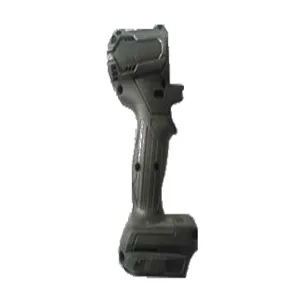
Tools equipment
Category: ToolsBrowse number: 17Number:Release time: 2025-12-04 10:39:37Tools equipment refers to a broad range of devices, machines, and instruments used to perform mechanical, electrical, or manual tasks across industrial, commercial, and professional settings. This category includes hand tools, power tools, measurement instruments, assembly devices, and specialized machinery. Quality, durability, and precision are critical for reliable performance under demanding conditions. Materials such as high-strength steel, alloys, and engineered polymers are commonly used, while manufacturing processes like CNC machining, forging, and heat treatment ensure structural integrity. Tools equipment enhances productivity, accuracy, and safety in applications ranging from construction and manufacturing to maintenance and technical services.
News
Category:
-
[Industry News]Medical Injection Molding Quality Control in Medical Manufac...
2026-01-09 08:43:27 -
[Industry News]Micro injection molding simulation case studies
2026-01-11 08:49:24
Case
Category:
No search results found!
Video
Category:
No search results found!
Download
Category:
No search results found!
Job
Category:
No search results found!
Featured Products
No search results found!



 WhatsApp
 Phone
Phone