


 Español
 Deutsch
 日本語
日本語 한국어
한국어
Taillights
The Evolution and Importance of Taillights in Automotive Design Taillights are a critical component of any vehicle, serving both functional and aesthetic purposes. Positioned at the rear, they play a key role in ensuring road safety by signaling a driver’s intentions to others. Over the years, taillights have evolved from simple incandescent bulbs to advanced LED and laser-based systems, reflecting broader trends in automotive technology and design. Functionality and Safety The primary function of taillights is to make a vehicle visible to other drivers, especially in low-light conditions. They illuminate when the headlights are on, ensuring the car is seen from behind. Additionally, they integrate with brake lights, which brighten when the driver applies the brakes, warning trailing vehicles to slow down. Turn signals, another essential feature, use blinking taillights to indicate direction changes. Modern taillights often incorporate adaptive lighting, adjusting brightness based on ambient conditions. Some high-end systems even feature dynamic turn signals that "flow" in the direction of the turn, improving clarity. These innovations reduce reaction times and help prevent rear-end collisions. Design and Aesthetics Beyond functionality, taillights contribute significantly to a vehicle’s visual identity. Designers use them to create distinctive silhouettes, with shapes ranging from sleek horizontal strips to intricate geometric patterns. The use of LEDs has allowed for thinner, more creative designs, enabling brands to develop signature lighting styles. Color and material choices also play a role. Red remains the standard for taillights due to its high visibility, but smoked or clear lenses are sometimes used for a sportier look. Advanced materials ensure durability against weather and debris while maintaining optical clarity. Technological Advancements Recent advancements include: - OLED Taillights: Offering ultra-thin, uniform lighting with customizable patterns. - Interactive Lighting: Some concept cars feature taillights that communicate with pedestrians or other vehicles, such as projecting warnings when the car is braking hard. - Solar-Powered Elements: Experimental designs incorporate solar cells to power taillights, improving energy efficiency. Future Trends As autonomous vehicles become more common, taillights may evolve to include more communication-focused features, such as displaying symbols or text to convey the car’s actions. Integration with augmented reality could further enhance safety by projecting real-time alerts. In conclusion, taillights are far more than just illumination devices—they are a blend of engineering, safety, and design innovation. As automotive technology progresses, taillights will continue to play a pivotal role in shaping the future of transportation.
Products
Category:
-
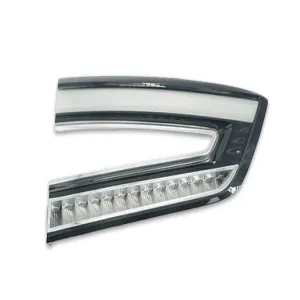
Taillights
Category: AutomotiveBrowse number: 17Number:Release time: 2025-12-16 14:39:59Taillights are essential automotive components designed to enhance vehicle visibility and communicate driving intentions to other road users. Modern taillights primarily use LED technology for energy efficiency, long lifespan, and precise light distribution. Key features include brake signaling, turn indicators, and rear position illumination, often integrated with advanced designs like sequential lighting and adaptive brightness. Constructed from durable materials such as polycarbonate lenses and corrosion-resistant housings, taillights withstand environmental stress, vibration, and thermal fluctuations. Widely used across passenger, commercial, and electric vehicles, they combine safety, reliability, and aesthetics, meeting regulatory standards while supporting modern automotive design trends and technological innovations.
News
Category:
No search results found!
Case
Category:
No search results found!
Video
Category:
No search results found!
Download
Category:
No search results found!
Job
Category:
No search results found!
Featured Products
No search results found!



 WhatsApp
 Phone
Phone