


 Español
 Deutsch
 日本語
日本語 한국어
한국어
Suction valve assembly
Suction Valve Assembly: Overview and Functionality A suction valve assembly is a critical component in various fluid-handling systems, including pumps, compressors, and hydraulic systems. Its primary function is to regulate the flow of fluid into the system by opening to allow entry during the suction phase and closing to prevent backflow during the discharge phase. This ensures efficient and unidirectional fluid movement, optimizing system performance and preventing energy loss. Key Components 1. Valve Body – The main housing that contains the internal components and connects to the piping system. It is typically made of durable materials like stainless steel, brass, or engineered plastics to withstand pressure and corrosion. 2. Valve Seat – A precisely machined surface where the valve disc rests when closed, ensuring a tight seal to prevent leakage. 3. Valve Disc (or Plate) – A movable element that opens and closes against the seat. It may be made of metal, rubber, or composite materials depending on the application. 4. Spring Mechanism – Often used to assist in closing the valve quickly and maintaining seal integrity under varying pressures. 5. Hinge or Guide – Ensures proper alignment of the disc to prevent misalignment and wear. Working Principle During the suction phase, the pressure differential created by the pump or compressor lifts the valve disc, allowing fluid to enter the chamber. When the suction phase ends, the disc returns to its seat, either by gravity, spring force, or backpressure, sealing the opening to prevent reverse flow. Applications - Pumps: Ensures efficient fluid intake in centrifugal, reciprocating, and diaphragm pumps. - Compressors: Controls air or gas intake in refrigeration and industrial compression systems. - Hydraulics: Maintains directional flow in hydraulic circuits, improving system reliability. Advantages - Energy Efficiency: Minimizes backflow, reducing energy waste. - Durability: Robust construction extends service life in harsh environments. - Low Maintenance: Simple design reduces the need for frequent servicing. Considerations for Selection - Material Compatibility: Must resist fluid corrosion and wear. - Pressure & Temperature Ratings: Must match operational conditions. - Flow Requirements: Proper sizing ensures optimal performance. In summary, the suction valve assembly is a vital component that enhances system efficiency, reliability, and longevity by ensuring controlled and unidirectional fluid flow. Its design and material selection play a crucial role in its performance across diverse industrial applications.
Products
Category:
-
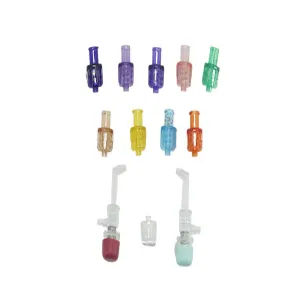
Casing seat, suction valve assembly
Category: Medical equipment categoryBrowse number: 17Number:Release time: 2025-12-16 11:06:28The casing seat and suction valve assembly are critical components in fluid control systems, ensuring precise flow regulation and reliable sealing. The casing seat provides a stable base for the valve mechanism, while the suction valve assembly controls the intake of fluids, preventing backflow and maintaining system efficiency. Manufactured from durable materials such as stainless steel, high-grade polymers, or corrosion-resistant alloys, these components withstand pressure, temperature fluctuations, and chemical exposure. Precise machining and tight tolerances ensure optimal sealing and performance. Commonly used in medical devices, industrial pumps, and hydraulic systems, they are essential for maintaining safety, reliability, and long-term operational efficiency.
News
Category:
No search results found!
Case
Category:
No search results found!
Video
Category:
No search results found!
Download
Category:
No search results found!
Job
Category:
No search results found!
Featured Products
No search results found!



 WhatsApp
 Phone
Phone