


 Español
 Deutsch
 日本語
日本語 한국어
한국어
Medical robot fairing parts
Medical Robot Fairing Parts: Design and Functionality Medical robot fairing parts play a critical role in ensuring the safety, efficiency, and precision of robotic systems used in healthcare. These components are designed to streamline the robot’s structure, reduce air resistance (in mobile or high-speed applications), and protect sensitive internal mechanisms from contamination, impacts, or interference. Given the stringent requirements of medical environments, fairing parts must meet high standards of hygiene, durability, and biocompatibility. Key Functions of Fairing Parts in Medical Robots 1. Protection and Sterility Medical robots often operate in sterile environments such as operating rooms or laboratories. Fairings act as protective shells, shielding internal electronics and mechanical components from dust, fluids, and microbial contamination. Materials used must be easy to clean and resistant to disinfectants, such as medical-grade plastics (e.g., polycarbonate, PEEK) or anodized aluminum. 2. Aerodynamics and Noise Reduction In robotic systems that involve rapid movement (e.g., robotic arms or mobile surgical assistants), fairings minimize air turbulence and noise, ensuring smoother operation. This is particularly important in delicate procedures where vibrations or disturbances could affect precision. 3. Ergonomics and Aesthetics Fairings contribute to the robot’s ergonomic design, ensuring smooth edges and a compact form to prevent interference with medical staff or equipment. Their sleek, seamless surfaces also enhance the robot’s visual appeal, which can improve user trust and adoption in clinical settings. 4. Thermal and EMI Management Some fairings incorporate thermal insulation or conductive properties to regulate internal temperatures. Additionally, they may include shielding to minimize electromagnetic interference (EMI), which is crucial for robots operating near sensitive diagnostic equipment like MRI machines. Material and Manufacturing Considerations Medical robot fairings must balance lightweight construction with structural integrity. Common materials include: - Medical-grade plastics (e.g., ABS, PEEK) for corrosion resistance and sterilization compatibility. - Aluminum alloys for strength and heat dissipation in high-performance applications. - Composite materials for weight reduction without sacrificing durability. Precision manufacturing techniques such as CNC machining, injection molding, or 3D printing ensure tight tolerances and seamless integration with the robot’s framework. Surface finishes often include antimicrobial coatings or smooth, non-porous textures to meet hygiene standards. Regulatory Compliance Fairing parts must comply with medical device regulations (e.g., FDA, CE, ISO 13485) to ensure safety and performance. This includes biocompatibility testing (ISO 10993) and validation for repeated sterilization cycles (e.g., autoclaving, chemical disinfection). Future Trends Advancements in smart materials, such as self-cleaning or anti-microbial surfaces, could further enhance the functionality of fairings. Additionally, modular designs may allow for easier customization and maintenance, reducing downtime in medical facilities. In summary, medical robot fairing parts are essential for optimizing performance, safety, and hygiene in robotic healthcare applications. Their design requires a multidisciplinary approach, combining engineering precision with stringent medical standards to meet the evolving demands of modern medicine.
Products
Category:
-
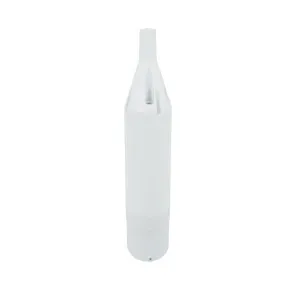
Medical robot fairing
Category: Medical equipment categoryBrowse number: 12Number:Release time: 2025-12-16 11:40:26The Medical robot fairing is a precision-engineered protective cover designed to streamline and safeguard medical robotic systems. Constructed from high-quality biocompatible plastics or composites, it ensures durability, lightweight performance, and ease of sterilization. The fairing shields delicate internal components from dust, fluids, and mechanical impacts while maintaining optimal airflow for heat dissipation. Its ergonomic design supports seamless integration with various robotic modules, enhancing operational safety and efficiency in surgical, diagnostic, or laboratory environments. Reliable manufacturing processes and stringent quality control guarantee consistent performance. Widely used in hospitals, research facilities, and medical device production, it contributes to longevity, safety, and precision in robotic operations.
News
Category:
No search results found!
Case
Category:
No search results found!
Video
Category:
No search results found!
Download
Category:
No search results found!
Job
Category:
No search results found!
Featured Products
No search results found!



 WhatsApp
 Phone
Phone