


 Español
 Deutsch
 日本語
日本語 한국어
한국어
Endoscopic valve
Endoscopic Valve: A Comprehensive Overview An endoscopic valve is a critical medical device used in minimally invasive procedures to regulate the flow of fluids or gases during endoscopic examinations or surgeries. These valves are typically integrated into endoscopic systems to maintain optimal insufflation, irrigation, or suction, ensuring clear visualization and safe manipulation of tissues. Design and Functionality Endoscopic valves are designed to be compact, durable, and compatible with various endoscope models. They often feature a multi-port configuration, allowing simultaneous connection to insufflation (CO₂) systems, irrigation channels, and suction devices. The valve mechanism may be manual or automated, enabling precise control over pressure and flow rates. Key functional aspects include: - Insufflation Control: Maintains pneumoperitoneum in laparoscopic procedures by regulating CO₂ delivery, preventing over- or under-inflation. - Irrigation/Suction Management: Facilitates fluid delivery for cleaning the surgical field and suction for removing debris or blood. - Sealing Mechanism: Prevents gas or fluid leakage, ensuring procedural efficiency and patient safety. Clinical Applications Endoscopic valves are indispensable in: - Gastrointestinal Endoscopy: Used in colonoscopy or gastroscopy to manage air/water supply and suction. - Laparoscopy: Maintains abdominal cavity pressure during minimally invasive surgeries. - Urology and Bronchoscopy: Assists in procedures requiring controlled fluid or air flow. Advantages - Enhanced Precision: Enables real-time adjustments for optimal visualization. - Minimized Contamination: Reduces infection risks with sealed, sterile pathways. - Ergonomic Efficiency: Simplifies workflow by consolidating multiple functions into a single valve system. Challenges and Considerations - Compatibility: Must align with various endoscope diameters and accessory connections. - Durability: Requires resistance to wear from repeated use and sterilization. - Cost: High-quality valves may increase procedural expenses but improve outcomes. Future Developments Innovations focus on smart valves with pressure sensors, automated flow regulation, and disposable designs to enhance safety and reduce cross-contamination risks. In summary, endoscopic valves are vital for ensuring procedural success in minimally invasive interventions, balancing functionality, reliability, and patient safety.
Products
Category:
-
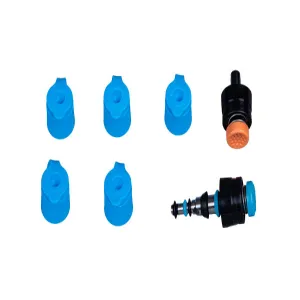
Endoscopic valve
Category: Medical equipment categoryBrowse number: 13Number:Release time: 2025-12-16 10:34:05An endoscopic valve is a critical component in minimally invasive surgical instruments, designed to control the flow of gases, fluids, and surgical tools within an endoscope. It provides airtight sealing to maintain insufflation, regulate irrigation, and allow safe instrument passage during procedures. Constructed from medical-grade polymers and corrosion-resistant metals, endoscopic valves ensure durability, sterilization resistance, and reliable performance. Features often include ergonomic handles, precision sealing diaphragms, and multiple ports to accommodate various laparoscopic or endoscopic instruments. These valves are essential for enhancing procedural accuracy, improving patient safety, and supporting applications in gastrointestinal, urological, and laparoscopic surgeries.
News
Category:
-
[Industry News]Injection Molding Process Documentation Essentials
2026-01-04 15:11:42
Case
Category:
No search results found!
Video
Category:
No search results found!
Download
Category:
No search results found!
Job
Category:
No search results found!
Featured Products
-
NEWS
Endoscopic valve
Learn more



 WhatsApp
 Phone
Phone