


 Español
 Deutsch
 日本語
日本語 한국어
한국어
Bearing cage component
Bearing Cage Component: Overview and Functionality The bearing cage, also known as a retainer or separator, is a critical component in rolling element bearings, ensuring smooth operation and extended service life. Its primary role is to maintain uniform spacing between rolling elements (balls, rollers, or needles) while preventing contact and friction between them. By doing so, the cage minimizes wear, reduces heat generation, and enhances the bearing’s overall efficiency. Design and Materials Bearing cages are manufactured in various designs, depending on the bearing type and application requirements. Common cage configurations include: - Ribbon cages: Typically used in ball bearings, made from stamped steel. - Machined cages: Precision-machined from brass, steel, or polyamide for high-load applications. - Molded polymer cages: Lightweight and corrosion-resistant, often used in electric motors and automotive applications. Material selection is critical for performance. Steel cages offer high strength, brass provides excellent wear resistance, and polymer cages (e.g., PEEK or PA66) reduce weight and noise while resisting lubrication breakdown. Key Functions 1. Rolling Element Guidance – Ensures proper alignment and prevents skewing or jamming. 2. Friction Reduction – Separates rolling elements to avoid metal-to-metal contact. 3. Lubrication Distribution – Helps retain and distribute lubricant evenly across bearing surfaces. 4. Load Distribution – Contributes to balanced load sharing among rolling elements. Performance Considerations - High-Speed Applications: Cages must withstand centrifugal forces without deformation. - Corrosive Environments: Polymer or stainless steel cages are preferred. - Temperature Extremes: Material thermal stability is crucial to prevent cage failure. Failure Modes and Prevention Common cage failures include wear, fracture, or deformation due to improper installation, excessive loads, or inadequate lubrication. Preventive measures include proper bearing alignment, selecting the right cage material, and ensuring sufficient lubrication. Conclusion The bearing cage is a vital yet often overlooked component that significantly impacts bearing performance. Its design, material, and manufacturing precision directly influence reliability, noise levels, and operational lifespan. Engineers must carefully select cage types based on application demands to optimize bearing functionality and durability.
Products
Category:
-
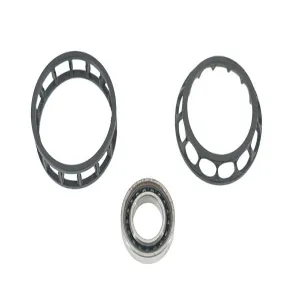
Bearing cage
Category: AutomotiveBrowse number: 16Number:Release time: 2025-12-16 13:55:42A bearing cage is a critical component used to separate, guide, and retain rolling elements such as balls or rollers within a bearing. Its primary function is to maintain uniform spacing between rolling elements, reduce friction, and ensure stable operation under various speeds and loads. Bearing cages are commonly manufactured from steel, brass, polymers, or composite materials, depending on application requirements. They are widely used in industrial machinery, automotive systems, electric motors, and precision equipment. Proper cage design improves bearing lifespan, operational reliability, and efficiency, especially in high-speed, high-temperature, or demanding mechanical environments.
News
Category:
-
[Industry News]Medical Injection Molding Sterilization Compatibility Guide
2026-01-04 15:11:42
Case
Category:
No search results found!
Video
Category:
No search results found!
Download
Category:
No search results found!
Job
Category:
No search results found!
Featured Products
No search results found!



 WhatsApp
 Phone
Phone