


 Español
 Deutsch
 日本語
日本語 한국어
한국어
Automotive Taillights
Automotive Taillights: Function, Design, and Technology Automotive taillights are a critical safety and design component of any vehicle, serving as a visual communication tool between drivers on the road. Located at the rear of the vehicle, taillights perform several key functions, including indicating braking, signaling turns, and ensuring visibility in low-light conditions. Over the years, taillight technology and design have evolved significantly, incorporating advanced materials, lighting systems, and aerodynamic considerations. Functions of Taillights The primary purpose of taillights is to enhance road safety by making the vehicle visible to other drivers, especially at night or in poor weather conditions. They consist of several lighting elements: - Parking Lights (Tail Lamps): These remain illuminated when the headlights are on, providing a constant red glow to indicate the vehicle’s presence. - Brake Lights: These brighten when the driver applies the brakes, alerting following vehicles to slow down. They are typically more intense than parking lights. - Turn Signals: Amber or red flashing lights indicate the driver’s intention to turn or change lanes. - Reverse Lights: White lights activate when the vehicle shifts into reverse, warning pedestrians and other drivers. - Hazard Lights: All turn signals flash simultaneously to indicate an emergency or stopped vehicle. Design and Aesthetics Beyond functionality, taillights contribute to a vehicle’s visual identity. Designers use shapes, textures, and lighting patterns to create distinctive looks, from sleek, minimalist designs to bold, angular forms. Modern taillights often feature: - LED Technology: Light-emitting diodes (LEDs) offer brighter, faster illumination, longer lifespan, and energy efficiency compared to traditional incandescent bulbs. - Dynamic Lighting: Some high-end vehicles use sequential turn signals or animated lighting effects for a premium appearance. - Light Bars: Continuous LED strips provide a futuristic, uniform glow, improving visibility and style. Technological Advancements Recent innovations in taillight technology include: - Adaptive Lighting: Sensors adjust brightness based on ambient light conditions to prevent glare or improve visibility. - Smart Connectivity: Some taillights integrate with collision avoidance systems, flashing rapidly during emergency braking. - OLEDs: Organic LEDs allow for ultra-thin, flexible lighting designs with customizable patterns. Regulations and Safety Standards Taillights must comply with strict regulations regarding color, brightness, and placement to ensure uniformity and prevent confusion on the road. For example, brake lights must be red, while turn signals can be amber or red depending on regional laws. Conclusion Automotive taillights are a blend of engineering, safety, and design innovation. As vehicles become more advanced, taillights will continue evolving with smarter, more efficient lighting solutions that enhance both functionality and aesthetics. Whether through striking LED designs or adaptive safety features, taillights remain a vital part of modern automotive engineering.
Products
Category:
-
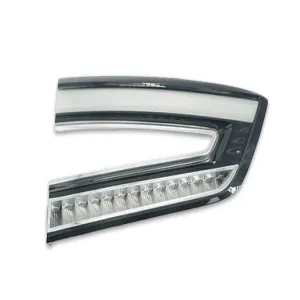
Taillights
Category: AutomotiveBrowse number: 17Number:Release time: 2025-12-16 14:39:59Taillights are essential automotive components designed to enhance vehicle visibility and communicate driving intentions to other road users. Modern taillights primarily use LED technology for energy efficiency, long lifespan, and precise light distribution. Key features include brake signaling, turn indicators, and rear position illumination, often integrated with advanced designs like sequential lighting and adaptive brightness. Constructed from durable materials such as polycarbonate lenses and corrosion-resistant housings, taillights withstand environmental stress, vibration, and thermal fluctuations. Widely used across passenger, commercial, and electric vehicles, they combine safety, reliability, and aesthetics, meeting regulatory standards while supporting modern automotive design trends and technological innovations.
News
Category:
-
[Industry News]Medical Injection Molding Component Assembly Considerations
2026-01-04 15:11:42
Case
Category:
No search results found!
Video
Category:
No search results found!
Download
Category:
No search results found!
Job
Category:
No search results found!
Featured Products
No search results found!



 WhatsApp
 Phone
Phone