


 Español
 Deutsch
 日本語
日本語 한국어
한국어
Automotive button components
Automotive Button Components: Functionality and Design Considerations Automotive button components are critical interface elements that allow drivers and passengers to control various vehicle functions, from infotainment systems to climate control and safety features. These components must balance ergonomic design, durability, and intuitive operation to ensure a seamless user experience while meeting stringent automotive industry standards. Types of Automotive Buttons 1. Push Buttons – Commonly used for functions like power controls, window switches, and gear selectors. They provide tactile feedback and are often backlit for visibility in low-light conditions. 2. Toggle & Rocker Switches – Found in functions requiring on/off or multi-position control, such as headlight switches or seat adjustments. 3. Touch-Sensitive Buttons – Increasingly popular in modern vehicles, these capacitive buttons offer a sleek, flat-panel appearance but require precise sensitivity calibration. 4. Rotary Dials – Used for volume control, temperature adjustment, or navigation menus, combining tactile feedback with smooth rotation. 5. Haptic Feedback Buttons – Simulate the feel of mechanical buttons using vibrations, enhancing user interaction in touch-based systems. Key Design Considerations - Ergonomics – Buttons must be easily accessible and distinguishable by touch to minimize driver distraction. Size, spacing, and resistance are carefully tuned. - Durability – Automotive buttons undergo rigorous testing for wear resistance, temperature extremes, and exposure to moisture or chemicals. - Tactile Feedback – A clear "click" or resistance ensures users know the input has been registered, improving safety. - Backlighting & Labeling – Illuminated buttons enhance nighttime usability, while intuitive symbols or text improve recognition. - Material Selection – High-quality plastics, metals, or composites are chosen for longevity and a premium feel. Integration with Vehicle Systems Modern automotive buttons are often part of a broader human-machine interface (HMI), integrating with touchscreens, voice commands, and steering wheel controls. Some advanced systems use force-sensitive or proximity-sensing buttons to reduce accidental presses. Future Trends As vehicles evolve toward electrification and autonomous driving, button designs are shifting to minimize clutter while maintaining functionality. Haptic feedback, dynamic touch surfaces, and voice-activated controls are expected to play a larger role. However, physical buttons remain essential for critical functions where reliability and muscle memory are paramount. In summary, automotive button components must meet high standards for usability, durability, and safety while adapting to evolving vehicle technologies. Their design and functionality directly impact driver satisfaction and overall vehicle performance.
Products
Category:
-
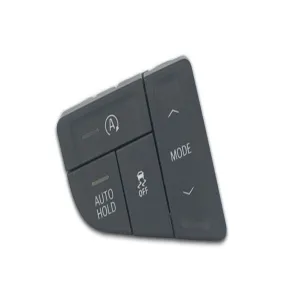
Automotive button components
Category: AutomotiveBrowse number: 13Number:Release time: 2025-12-16 14:02:14Automotive button components are precision parts used in vehicle control interfaces, including dashboards, steering wheels, center consoles, and door panels. They are designed to deliver reliable tactile feedback, consistent actuation force, and long service life under frequent use. Common materials include engineering plastics, silicone rubber, and metal inserts, selected for durability, temperature resistance, and surface finish quality. These components are manufactured through injection molding, overmolding, and surface treatment processes to meet automotive standards. Automotive button components support functions such as climate control, infotainment, lighting, and safety systems, contributing to intuitive operation and enhanced user experience in modern vehicles.
News
Category:
No search results found!
Case
Category:
No search results found!
Video
Category:
No search results found!
Download
Category:
No search results found!
Job
Category:
No search results found!
Featured Products
No search results found!



 WhatsApp
 Phone
Phone