


 Español
 Deutsch
 日本語
日本語 한국어
한국어
Ablation needle handle components
Ablation Needle Handle Components: An Overview The handle of an ablation needle is a critical component that ensures precision, ergonomics, and functionality during medical procedures such as radiofrequency ablation (RFA), microwave ablation (MWA), or cryoablation. The handle is designed to provide control, stability, and ease of use while accommodating various technical requirements for energy delivery or cooling systems. Below is a detailed breakdown of the key components typically found in an ablation needle handle. 1. Outer Casing / Housing The outer casing forms the structural framework of the handle, usually made from durable, lightweight materials such as medical-grade plastics (e.g., polycarbonate, ABS) or metals (e.g., stainless steel, aluminum). The casing is ergonomically shaped to fit comfortably in the operator’s hand, often featuring textured grips or finger grooves to enhance control and reduce slippage during procedures. 2. Trigger or Activation Mechanism Most ablation needle handles incorporate a trigger, button, or sliding switch to activate the ablation process. This mechanism may be mechanical (e.g., a spring-loaded trigger) or electronic (e.g., a push-button with integrated circuitry). The design ensures smooth operation while preventing accidental activation. 3. Connector Ports The handle typically includes one or more ports for connecting external systems: - Energy Delivery Port: For RF or microwave generators, this may be a coaxial or RF cable connector. - Coolant Port (for cryoablation): Allows the attachment of tubing for liquid nitrogen or argon gas delivery. - Sensor/Feedback Port: Some handles integrate thermocouple or impedance monitoring wires to relay real-time tissue feedback to the generator. 4. Depth Adjustment & Locking Mechanism Many handles feature an adjustable needle depth control, often via a rotating collar, slider, or screw mechanism. This allows the operator to set and lock the desired penetration depth, ensuring precise lesion targeting. 5. Internal Wiring & Circuitry (for Energy-Based Ablation) In RF or microwave ablation handles, internal wiring connects the activation mechanism to the needle electrode. Insulated conductive pathways ensure efficient energy transfer while minimizing electrical interference or leakage. 6. Safety Features - Insulation: Prevents unintended current leakage or thermal damage to the operator. - Lockout Mechanism: Some handles include a safety lock to prevent premature firing. - Strain Relief: Reinforced cable entry points reduce wear and tear on connecting wires. 7. Needle Attachment Interface The distal end of the handle houses the interface for securing the ablation needle. This may involve a threaded coupling, luer lock, or quick-connect mechanism, ensuring a stable and leak-proof connection. 8. Optional Features - Display/Indicator Lights: Some advanced handles include LED indicators for power status or temperature feedback. - Modular Design: Certain models allow interchangeable needle attachments for different ablation modalities. Conclusion The ablation needle handle is a sophisticated assembly that balances ergonomics, functionality, and safety. Its design directly impacts procedural accuracy and user comfort, making it a crucial element in minimally invasive tumor ablation therapies. Each component is meticulously engineered to ensure reliable performance in clinical settings.
Products
Category:
-
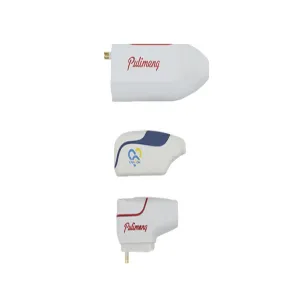
Ablation needle handle
Category: Medical equipment categoryBrowse number: 12Number:Release time: 2025-12-16 11:25:29The ablation needle handle is a precision medical instrument designed to provide surgeons with optimal control and stability during minimally invasive ablation procedures. Engineered for procedures such as radiofrequency, microwave, and cryoablation, the handle ensures accurate needle placement, secure locking, and consistent energy delivery to targeted tissues. Constructed from high-quality medical-grade polymers and stainless steel, it offers durability, biocompatibility, and resistance to repeated sterilization. Ergonomic design reduces operator fatigue, while integrated tactile feedback enhances procedural accuracy. Essential in interventional oncology, cardiology, and pain management, the ablation needle handle combines reliability, precision, and safety for improved clinical outcomes.
News
Category:
-
[Industry News]Injection Molding Plastic Resin Selection Guide
2026-01-04 15:11:42
Case
Category:
No search results found!
Video
Category:
No search results found!
Download
Category:
No search results found!
Job
Category:
No search results found!
Featured Products
No search results found!



 WhatsApp
 Phone
Phone